
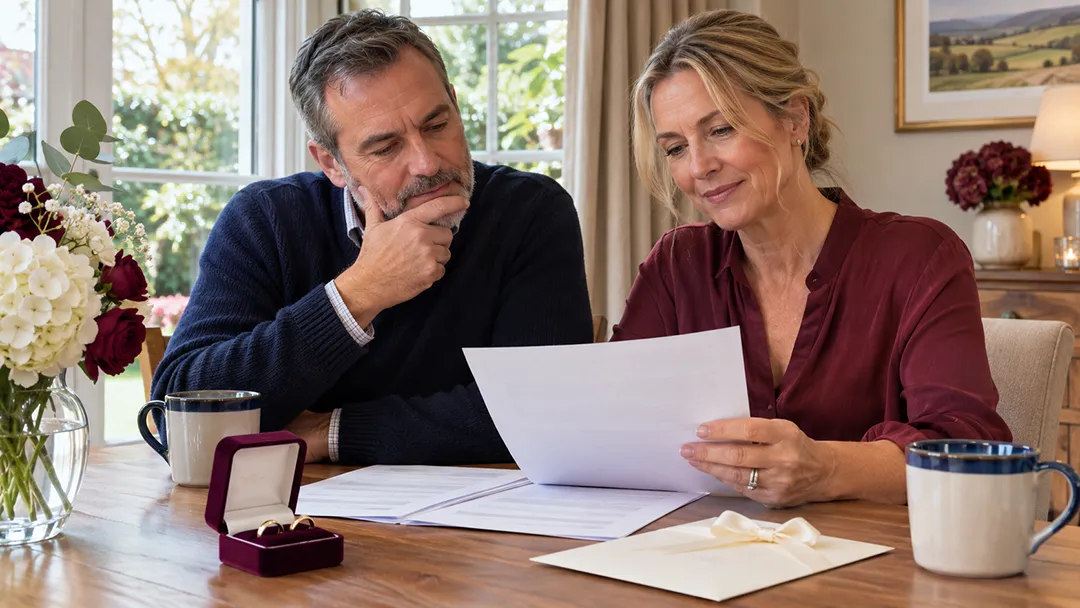
A wedding changes many things, but one of the most important can happen without either partner realising it. In England and Wales, getting married will usually revoke an existing Will.
That means a Will written years earlier may no longer be legally effective once the marriage takes place. If no replacement is made, the estate could eventually be distributed under the rules of intestacy rather than according to the wishes set out in the old document.
This matters for every couple, but it can be especially important where either person has children from a previous relationship, owns a home, has built up significant assets or wants to leave something to relatives, friends or charities.
Does Marriage Revoke a Will Automatically?
In most cases, yes. Under the current law in England and Wales, a marriage generally revokes any Will made before the wedding.
The rule applies automatically. It does not depend on how long the Will has existed, whether the person still agrees with it or whether the new spouse knew it was there. Keeping the original safely stored does not preserve it, and telling family members that its instructions should still be followed does not make it valid again.
This can come as a surprise to couples who believe marriage simply adds a spouse to their existing plans. In reality, the previous Will will normally cease to govern the estate unless a specific legal exception applies.
There have been proposals to change this rule, including a recommendation from the Law Commission that marriage should no longer revoke a Will. However, that recommendation has not yet become law. Couples should therefore plan according to the law that applies now rather than assuming a future reform will protect them.
What Happens If You Marry and Do Not Make a New Will?
If marriage has revoked the earlier Will and no valid replacement exists, the person may die intestate. The rules of intestacy then decide who inherits.
A surviving husband, wife or civil partner has important rights under those rules, but this does not necessarily mean the whole estate will pass in the way the deceased would have chosen. The result will depend on the family circumstances, the value and nature of the estate and whether the deceased left children or other direct descendants.
Intestacy also makes no allowance for many relationships that may be emotionally significant. Stepchildren who have not been legally adopted do not automatically inherit. Close friends, carers and charities will not receive a gift simply because the deceased had promised to remember them.
The old Will may show exactly what the person wanted, but once revoked it cannot normally be used as though the wedding had never happened.
The Important Exception: A Will Made in Contemplation of Marriage
It is possible to make a Will before the wedding that remains valid afterwards. This is commonly described as making a Will “in contemplation of marriage”.
For the exception to apply, the Will must make it clear that the person expects to marry a particular individual and intends the Will not to be revoked by that marriage. A general statement that someone may marry at some point is not the same as careful wording connected to an identified future spouse.
This can be useful for engaged couples who want their arrangements settled before the ceremony. It may be particularly valuable where the wedding is approaching, the couple is buying a property or there are children and assets to protect on both sides.
The wording needs to work legally, so this is not something to add casually by hand to an existing document. A properly drafted Will can state the intention clearly and coordinate the gifts, executors and any trust arrangements with the forthcoming marriage.
Why Second Marriages Need Particular Care
Second marriages often bring together people who already have children, property and financial responsibilities. An older Will may leave everything to children from a previous relationship, while the person now also wants to provide security for a new spouse.
If the marriage revokes that Will, relying on intestacy can create a very different balance. The new spouse may inherit under the statutory rules, while stepchildren and other intended beneficiaries may receive less than expected or nothing at all.
Simply leaving everything outright to the surviving spouse may not always solve the longer-term concern. After inheriting, the survivor may change their own Will, remarry, face financial difficulty or need care. None of this necessarily involves wrongdoing; family and financial circumstances naturally change. However, it can mean that assets do not ultimately reach the children or other beneficiaries the first person had in mind.
Depending on the circumstances, couples may wish to explore arrangements that provide for the survivor while protecting all or part of an inheritance for children. These might include a Protective Property Trust or a Flexible Life Interest Trust. Trusts are not suitable in every case, but they can help some blended families balance immediate security with longer-term wishes.
Does a Civil Partnership Have the Same Effect?
Registering a civil partnership will also generally revoke an earlier Will, subject to a similar exception where the Will was properly made in contemplation of entering a civil partnership with a particular person.
There are specific rules for the conversion of an existing civil partnership into a marriage. A couple in that position should still have their documents reviewed rather than making assumptions, particularly if their Will was written before the civil partnership or their family circumstances have changed.
Divorce works differently. It does not normally cancel the whole Will. Instead, gifts and certain appointments in favour of the former spouse are generally treated as though that person had died when the marriage ended, unless the Will shows a contrary intention. This can leave gaps or produce a distribution the Will-maker did not expect, so a review after separation or divorce remains important.
When Should an Engaged Couple Make Their Wills?
Couples do not necessarily need to wait until after the wedding. A Will can be prepared beforehand with appropriate contemplation-of-marriage wording, allowing the arrangements to continue after the ceremony.
This can remove one task from an already busy period and reduce the risk of the couple intending to update their Wills after the honeymoon but never getting around to it. Where the wedding is very close, it is sensible to allow enough time for instructions, drafting, checking and valid signing rather than leaving everything until the final few days.
If an existing Will was not written in contemplation of the marriage, a fresh Will should be arranged. Do not alter, cross out or add wording to the signed document yourself, as informal changes can create uncertainty and may not be legally effective.
What Should Couples Discuss Before Updating Their Wills?
A useful review should look beyond the wedding itself. Couples may want to consider:
- Who should inherit the home, savings and personal possessions?
- How should children from current or previous relationships be provided for?
- Should the surviving spouse inherit assets outright, or should a trust be considered?
- Who should act as executors and trustees?
- Are substitute beneficiaries named if somebody dies first?
- Are guardians needed for children under 18?
- Do jointly owned property, pensions, life policies and death-in-service benefits fit the wider plan?
- Should any gifts be made to friends, other relatives or charities?
It is also worth discussing how the estate plan will be reviewed over time. A Will written around the wedding may need updating again after the birth of a child, a house move, a significant inheritance, the death of a beneficiary or a major change in family relationships.
Do Not Let the Wedding Quietly Undo Your Plans
Marriage is a joyful milestone, but its effect on a Will is easy to miss. A document that once provided reassurance may no longer protect the people it named once the ceremony has taken place.
Making a new Will before the wedding in contemplation of marriage, or promptly afterwards, can keep control with the couple rather than leaving the law to decide. It also creates an opportunity to think carefully about property, children, second families and what each partner wants to happen in the years ahead.
Westfield Wills can help engaged couples, newlyweds and blended families review their existing arrangements and prepare Wills that reflect their current wishes. To discuss your plans, call 01756 540 541 or contact Westfield Wills.
This article is for general information about the law in England and Wales and does not constitute legal or tax advice. The effect of marriage, civil partnership, divorce, property ownership and trusts will depend on the documents and individual circumstances.
0 Comments